幸运168飞艇官网开奖网址app-全国开奖记录 The News Headlines Newsletter
A curated selection of the best news journalism picked personally just for you

A curated selection of the best news journalism picked personally just for you
Try 14 days free with live news, podcasts and puzzles

Your morning news briefing and the best of our articles

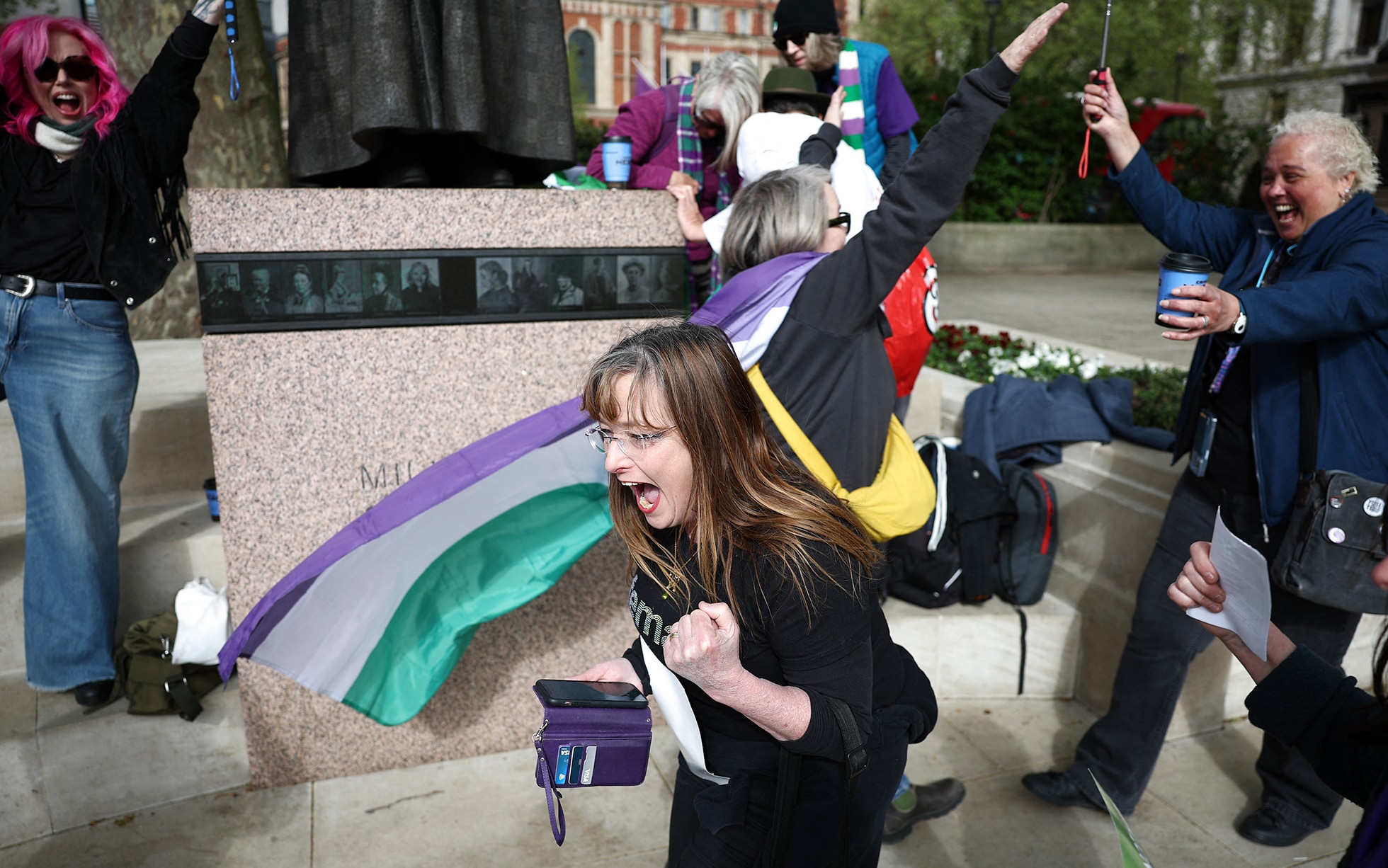
The far-Right activist, real name Stephen Yaxley-Lennon, is serving 18 months for contempt of court

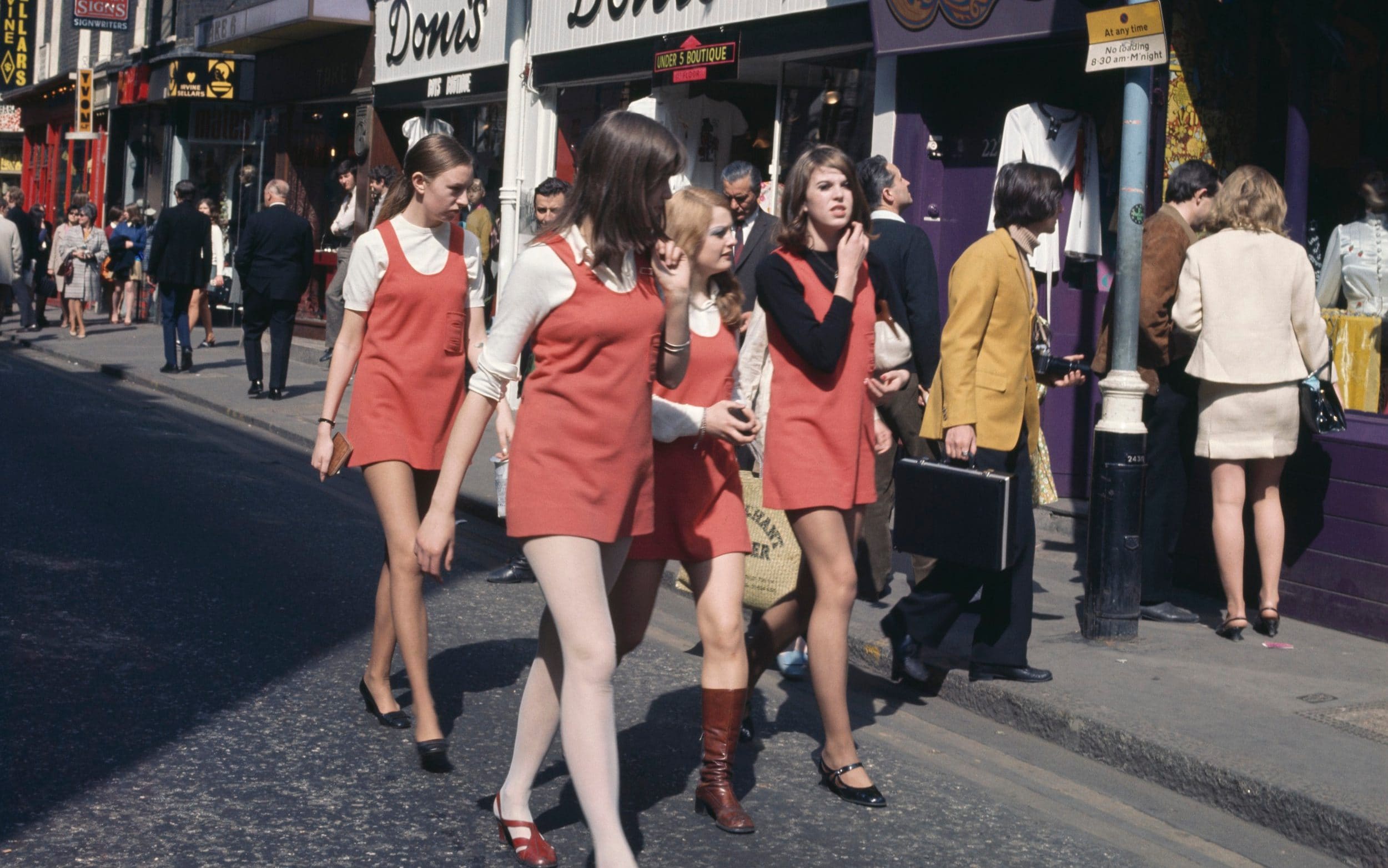
A 1965 article in The Daily Telegraph was the first to herald London as the grooviest place in the world
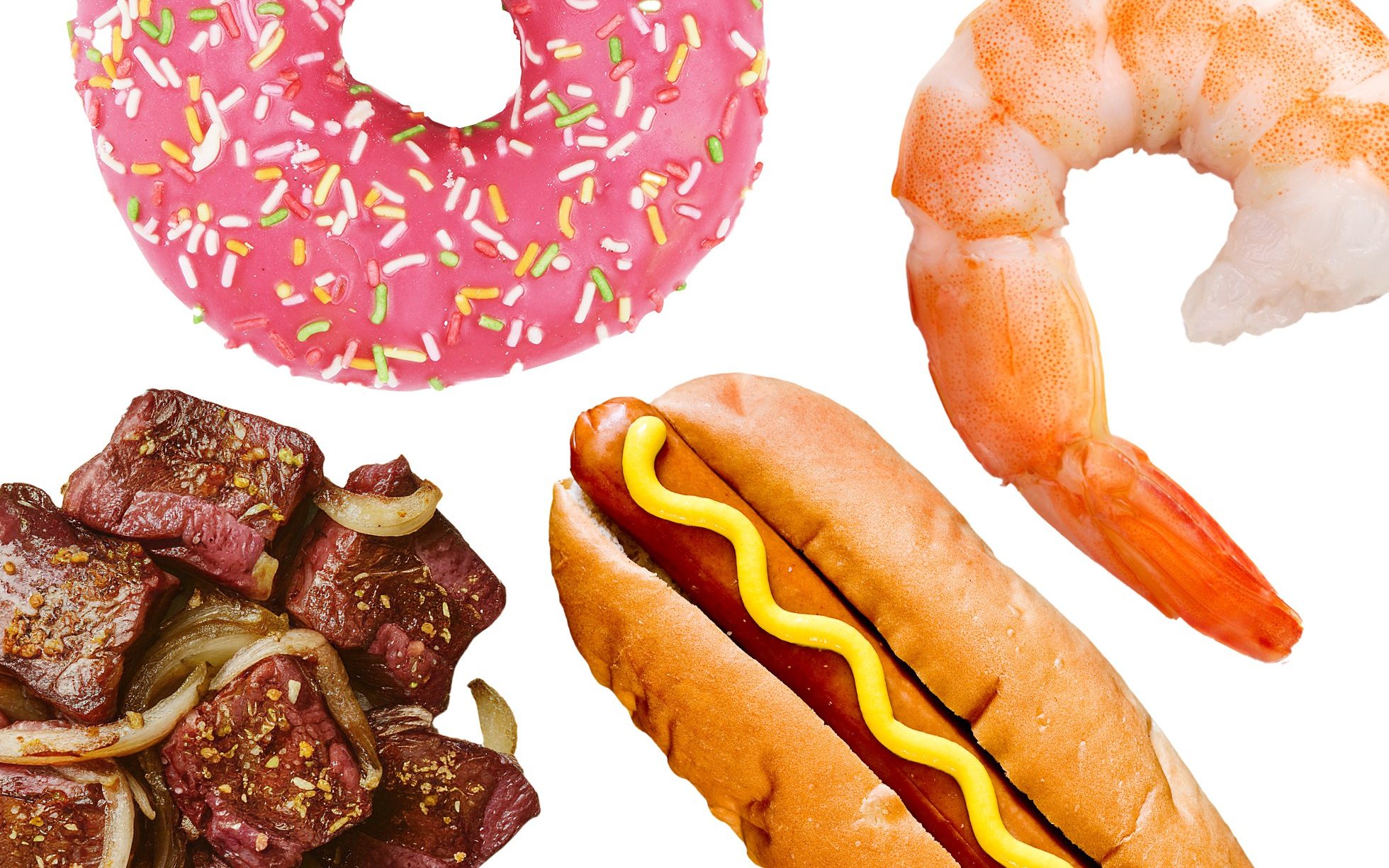
Recent research has found some cholesterol-rich foods might actually improve your cholesterol levels. A cardiologist breaks it down
Ask A Lawyer: our reader is disappointed he has to bear the cost of getting rid of vermin
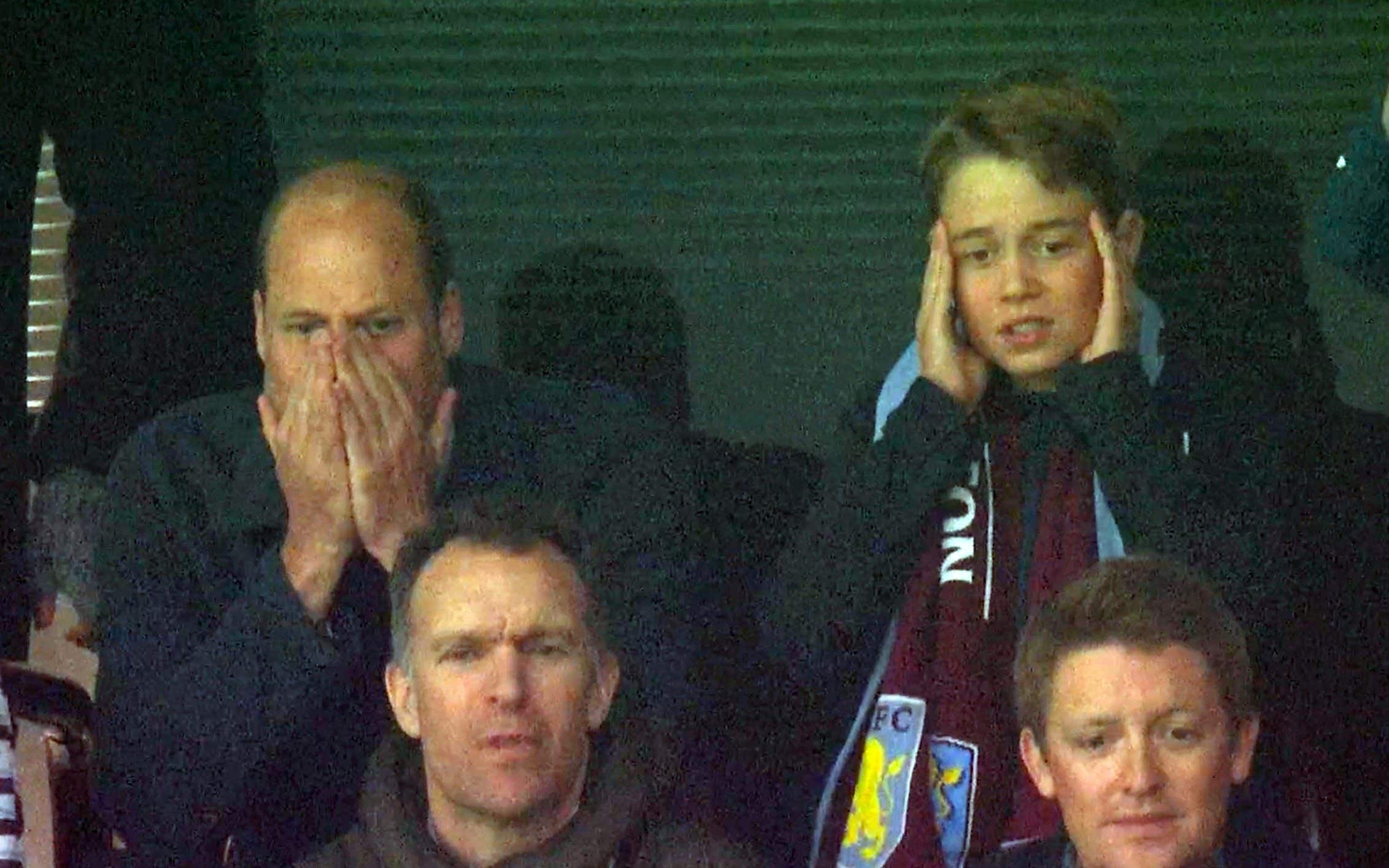
Prince of Wales was put through the wringer by his beloved club on a night when they were narrowly defeated by Paris St-Germain
Once deemed the most offensive expletive in the English lexicon, it has been newly popularised – all thanks to Gen Z
Rebecca Sloan is in a trademark battle with the inventor of a dog-litter tray

Sanctuary vet resigns herself to being jailed or deported but says: ‘It was worth it’
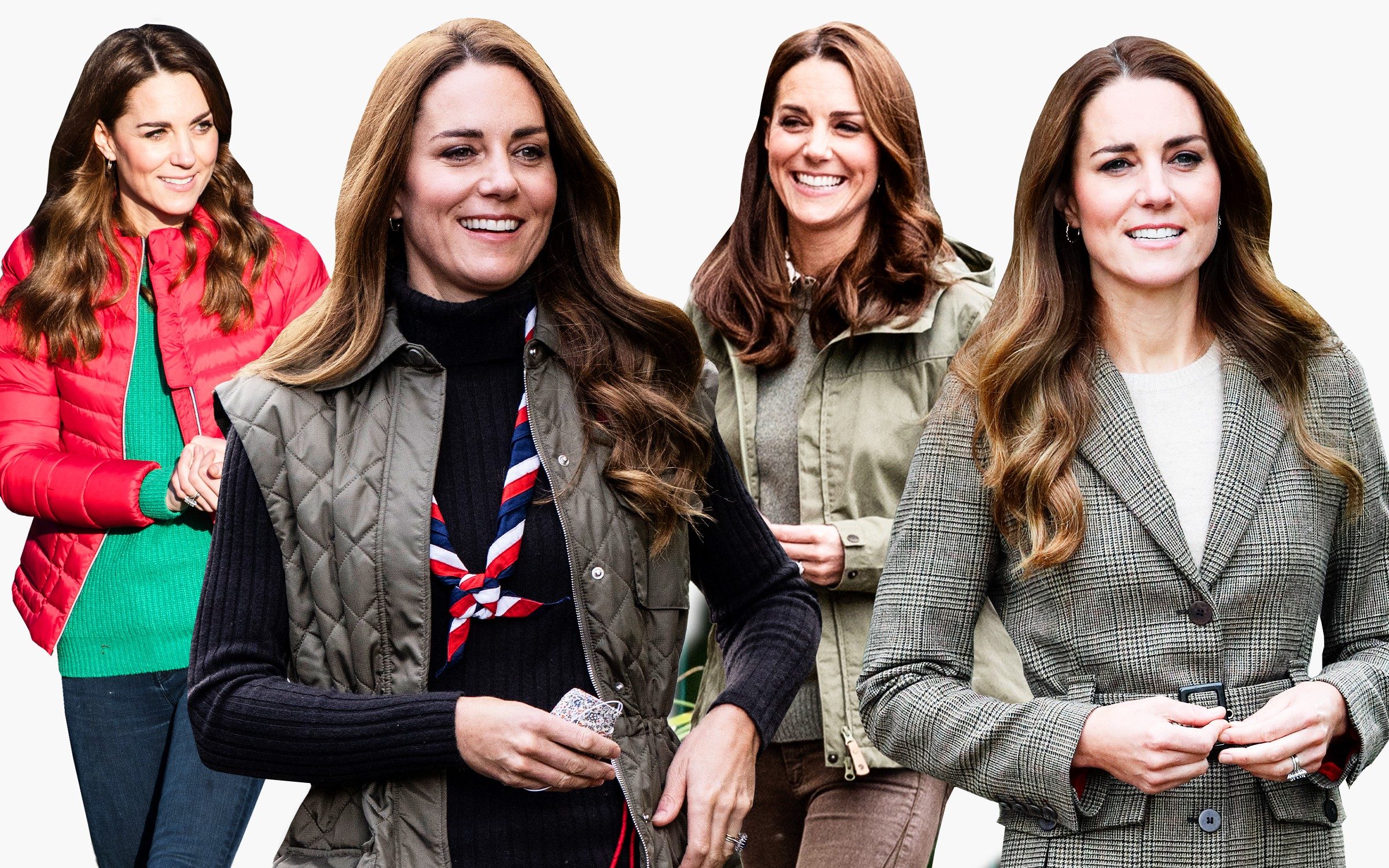
The Princess added a modern touch to some time-honoured classics from her country style playbook on her recent Lake District visit
An opulent journey aboard La Dolce Vita Orient Express offers a taste of the five-star lifestyle – but it comes at a cost

Fijian winger Rupeni Caucau had the world at his feet and the potential to surpass even Jonah Lomu

Exclusive: As mentor to Delhi Capitals, former powerhouse batsman is loving working with players and doubles down on criticism of India tour

The success of our national church should be of interest to all English people, whether believers or not

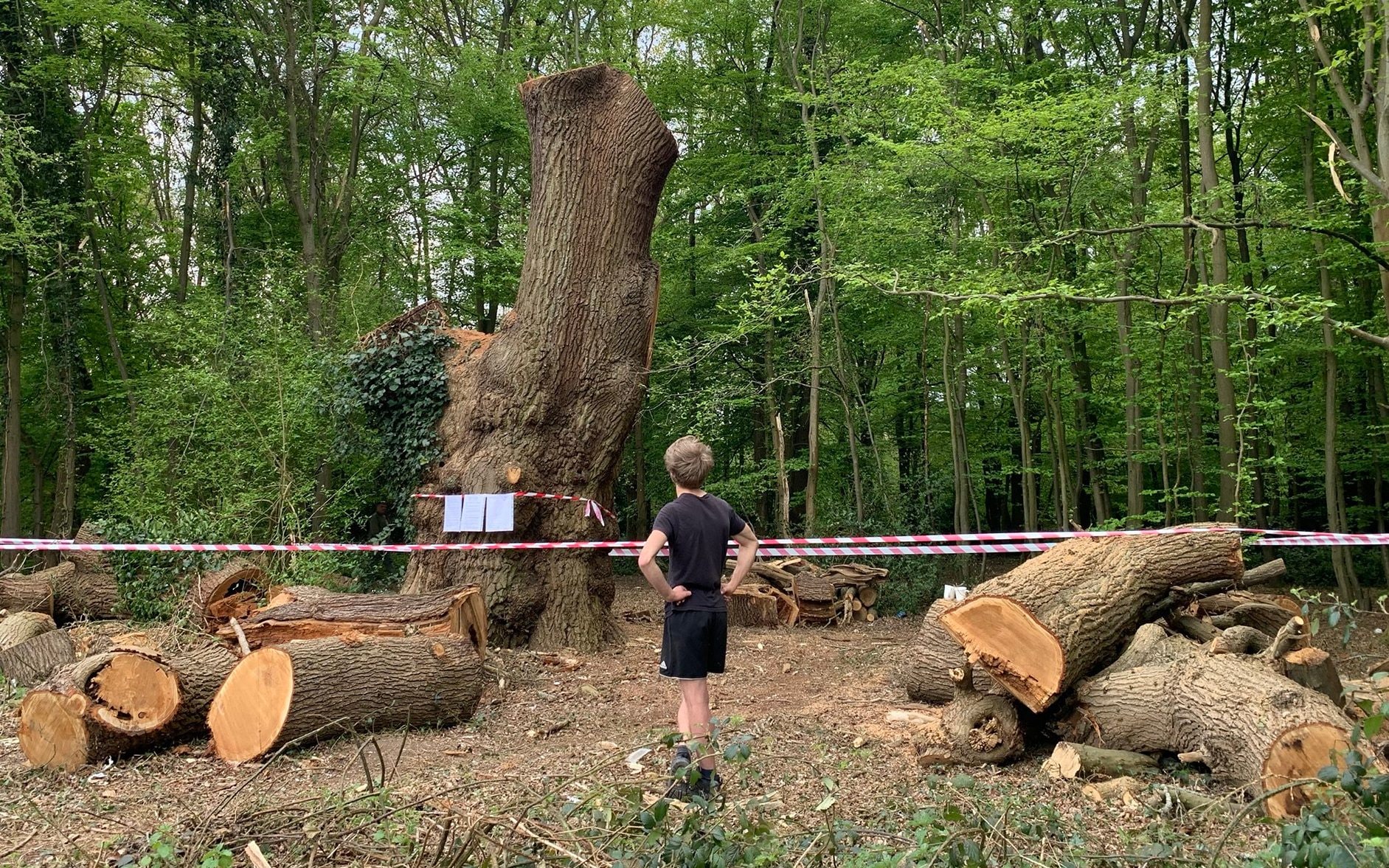
Enfield council reports criminal damage to police as residents say the loss of heritage tree is ‘devastating’
They have bullied, pushed and threatened me. I don’t want to move, but the best I can hope for if I stay is the occasional, uneasy ceasefire
The pop star claimed the 11-minute Blue Origin flight made her feel ‘super-connected to love’ – but that was before she checked Instagram

British No 4 wanted the umpire to take action against Lois Boisson before losing in straight sets in France
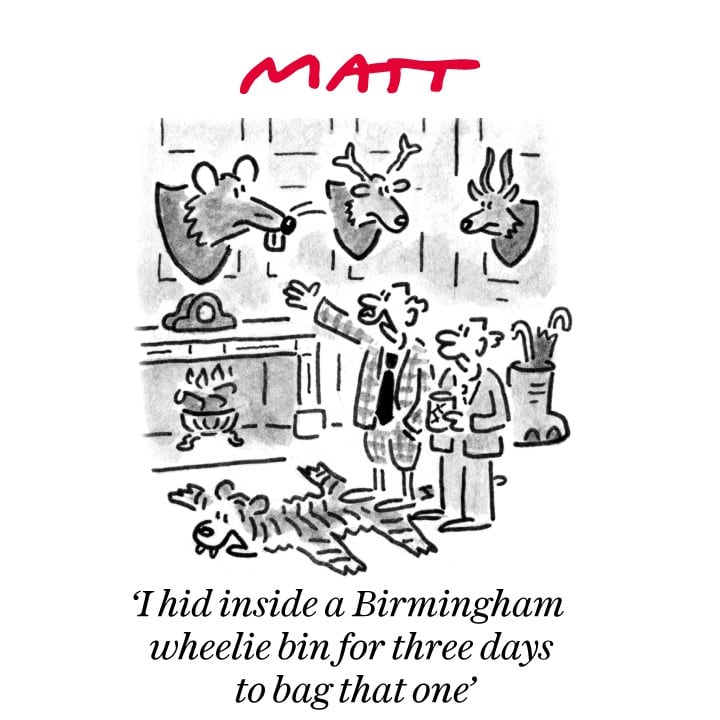

Plus: Truss’s track record; Labour and the bin strikes; Trump’s error on Russia; batty bureaucracy; a golfing triumph; and fish with a twist









 US Edition